A practical packing checklist
Pack in an order that lets you keep living in the home. A checklist is useful when it reflects your rooms and deadline, rather than an ideal timetable that no longer fits.
Read the guidePacking notes
Start with the belongings and the condition of the boxes you already have. The right materials depend on the job; more supplies are not automatically a better plan.
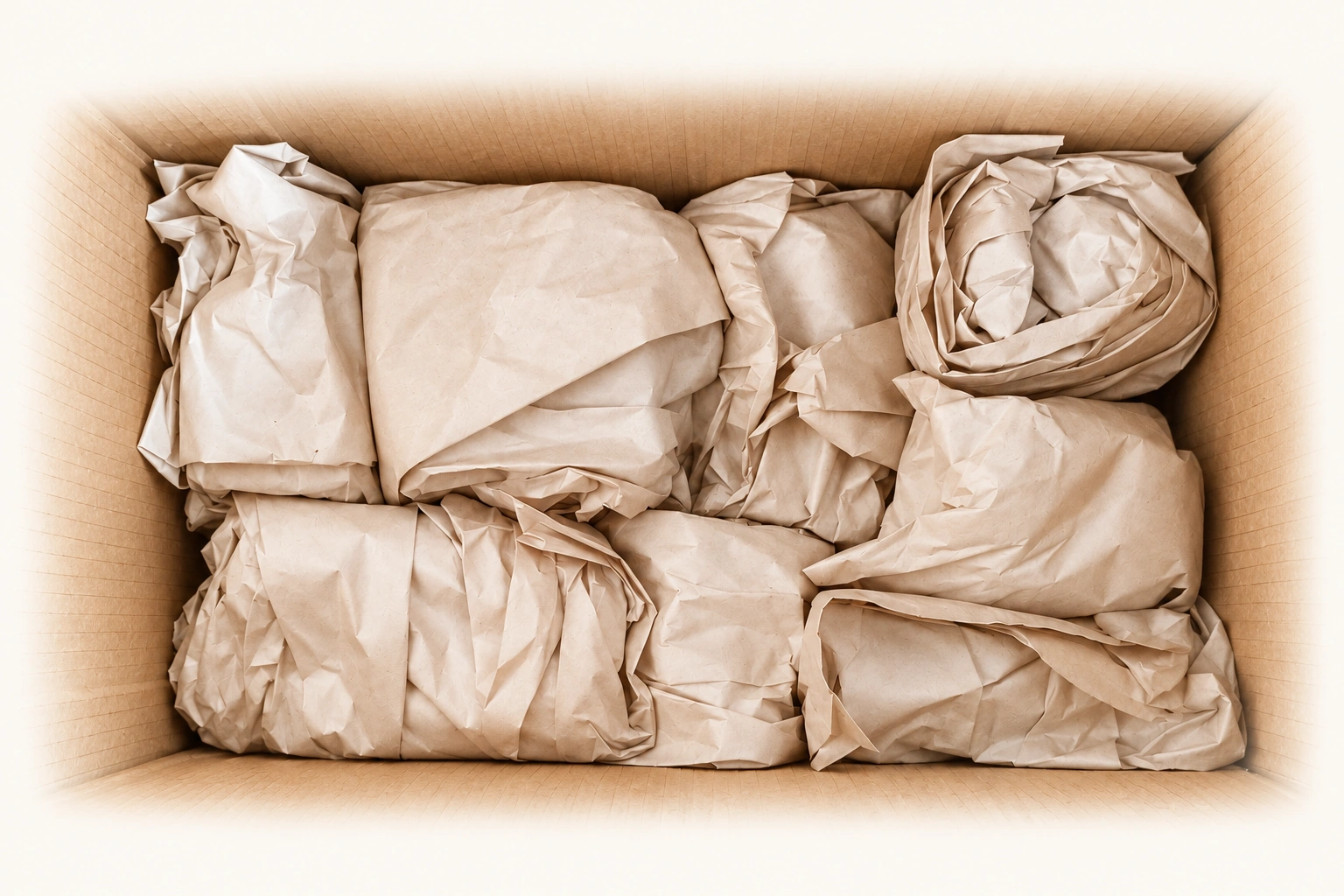
A useful detail
Send a short description of the rooms and the supplies you already own. The team can review the material needs alongside the scope.
Use the guide to prepare your own plan, or ask for help with the rooms and tasks you would like to hand over.
Kitchen packingPack in an order that lets you keep living in the home. A checklist is useful when it reflects your rooms and deadline, rather than an ideal timetable that no longer fits.
Read the guideA good label answers three questions quickly: where does this box go, what is inside and how soon will you need it? The same system should work for everyone helping.
Read the guideYour next chapter
Tell us about your rooms, your timing and the work you would like help with.